
THE SUITCASE OF COURAGE
We don't need another workplace hero!
MSK Injury Prevention Training
A Hyster-Yale Materials Handling Initiative
Hello, World!
Hello, World!
The Reality at Our Facilities
Postures 1-5: Upper Body & Lifting Risks
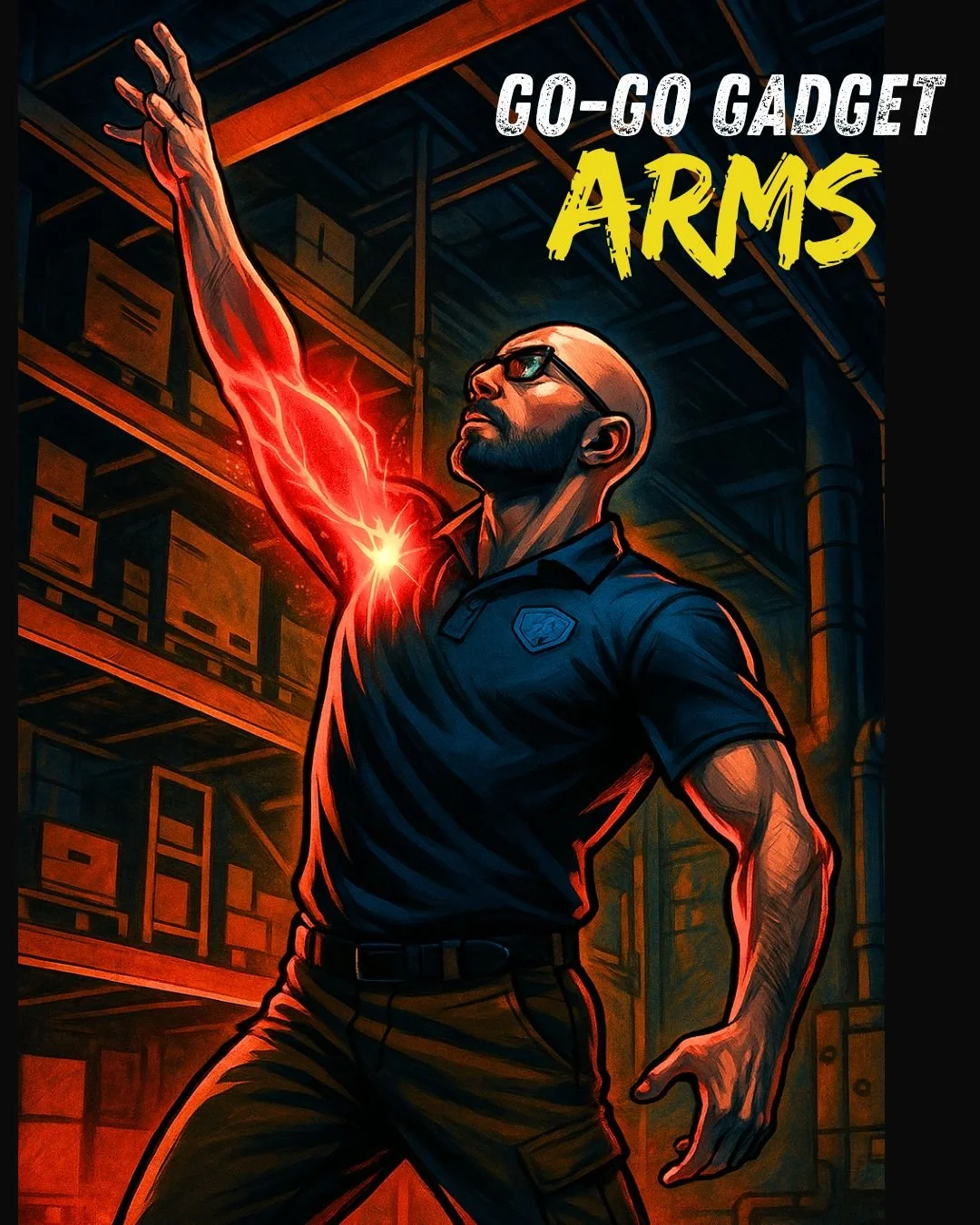
1. GO-GO GADGET ARMS
Overreaching with arms extended far from your body puts tremendous strain on shoulders and upper back.
Affects: Shoulders, Upper Back, Rotator Cuff
✅ Prevention
- Keep materials within arm's reach (no more than 18 inches)
- Use step stools for elevated items
- Move your feet instead of overreaching
- Reposition workstations to eliminate reaching
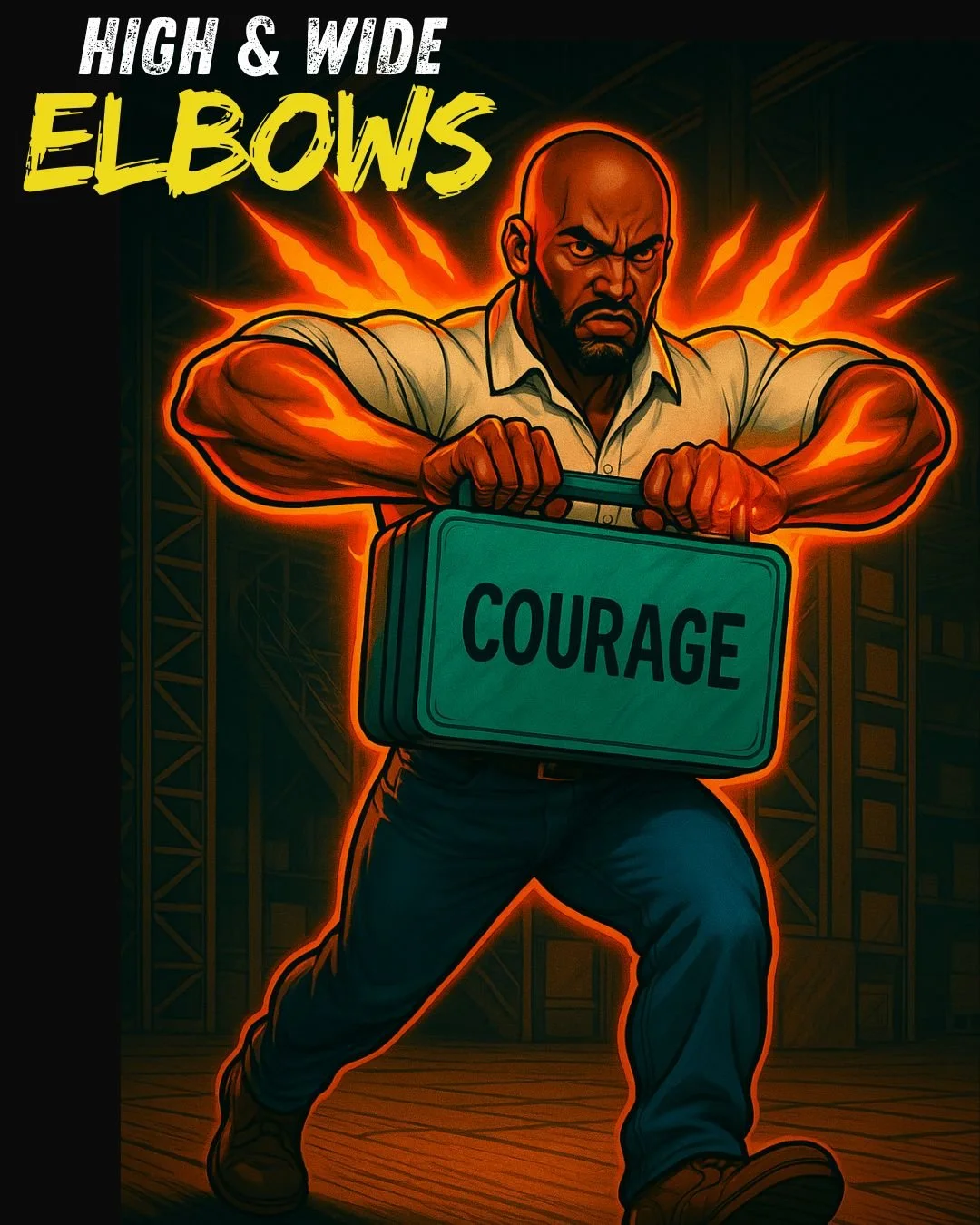
2. HIGH & WIDE ELBOWS
Working with elbows raised above shoulder level causes shoulder and deltoid strain.
Affects: Shoulders, Deltoids, Upper Back
✅ Prevention
- Adjust work height—elbows should be at or below shoulder level
- Use platforms or step stools to elevate yourself, not your arms
- Lower the workpiece instead of raising your arms
- Take breaks every 20 minutes when overhead work is necessary
3. TEXTING NECK
Head tilted forward and down creates severe cervical spine strain, especially in office work.
Affects: Neck/Cervical Spine, Upper Back
✅ Prevention
- Position monitors at eye level
- Hold phones/tablets at eye level, not in your lap
- Take posture breaks every 30 minutes
- Strengthen neck muscles with simple exercises
4. THE GARDENER
Bending forward at the waist with straight legs—our #1 cause of lower back injuries.
Affects: Lower Back, Lumbar Spine
✅ Prevention
- ALWAYS bend at knees and hips, never at waist
- Keep back straight—imagine a rod along your spine
- Get close to the object before lifting
- Use mechanical aids for loads over 50 lbs
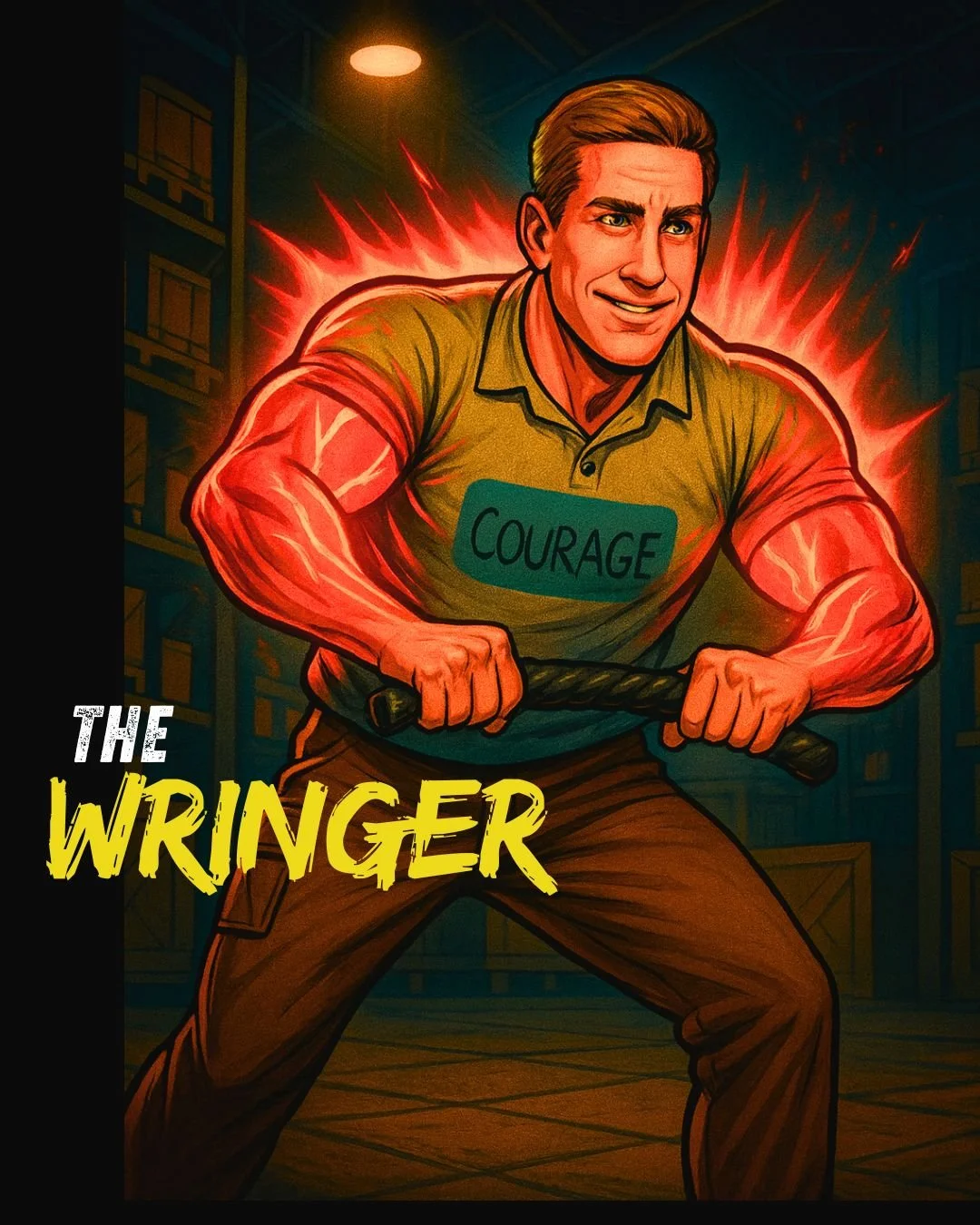
5. THE WRINGER
Repetitive twisting motions with wrists and forearms lead to chronic tendonitis.
Affects: Wrists, Forearms, Elbows
✅ Prevention
- Use ergonomic tools with larger grips
- Maintain neutral wrist position (straight, not bent)
- Rotate tasks every 1-2 hours
- Use power tools instead of manual twisting
The 10 At-Risk Postures
📋 Quick Reference Guide
- 1. Go-Go Gadget Arms - Overreaching (70 injuries, $1.1M)
- 2. High & Wide Elbows - Elbows above shoulders (195 injuries, $2.4M)
- 3. Texting Neck - Head tilted forward (25 injuries, $289K)
- 4. The Gardener - Bending at waist (271 injuries, $3.3M)
- 5. The Wringer - Repetitive wrist twisting (119 injuries, $774K)
- 6. The Twister - Spine rotation while loaded (271 injuries, $3.3M)
- 7. Up Down Knees - Repetitive squatting (128 injuries, $1.6M)
- 8. Vertical Shoulders - Carrying at shoulder height (195 injuries, $2.4M)
- 9. Vibing Out - Vibration exposure (149 injuries, $1.5M)
- 10. Bumper Cars - Struck by objects (85 injuries, $768K)
Why These 10 Postures Matter
Our data analysis identified 10 specific at-risk postures that account for 96% of all MSK injury costs at Hyster-Yale facilities. These aren't theoretical risks—they're backed by 1,708 real injury claims totaling $17.5 million. Each posture has been given a memorable name to help you recognize and avoid these dangers. Master these 10, and you'll dramatically reduce your risk of injury.
Postures 6-10: Lower Body & Movement Risks
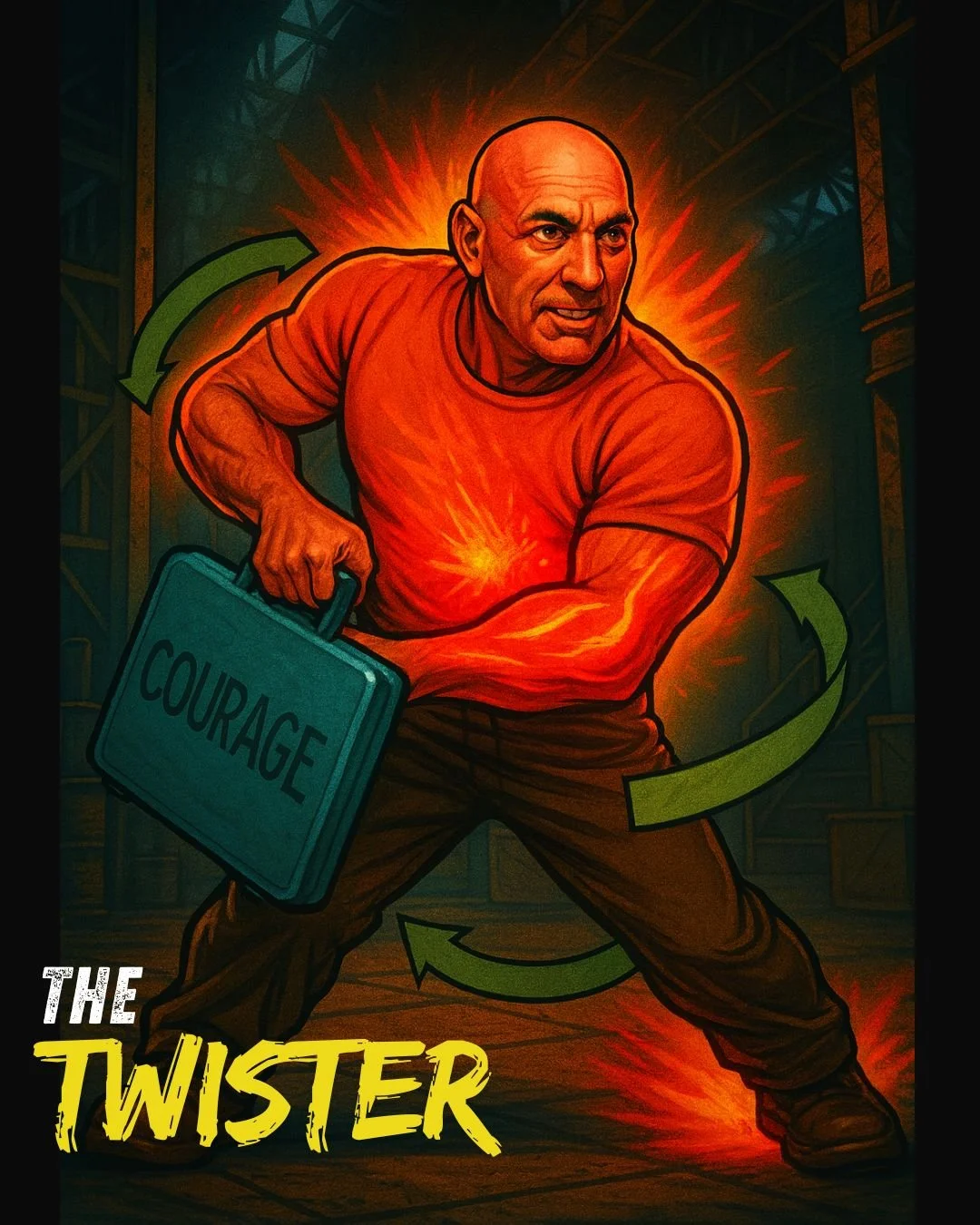
6. THE TWISTER
Rotating your spine while holding or moving a load—extremely dangerous for lower back.
Affects: Lower Back, Lumbar Spine, Hips
✅ Prevention
- NEVER twist spine—turn with your feet!
- Keep load close to body (12-18 inches)
- Pivot entire body as one unit
- Reposition feet to face your destination
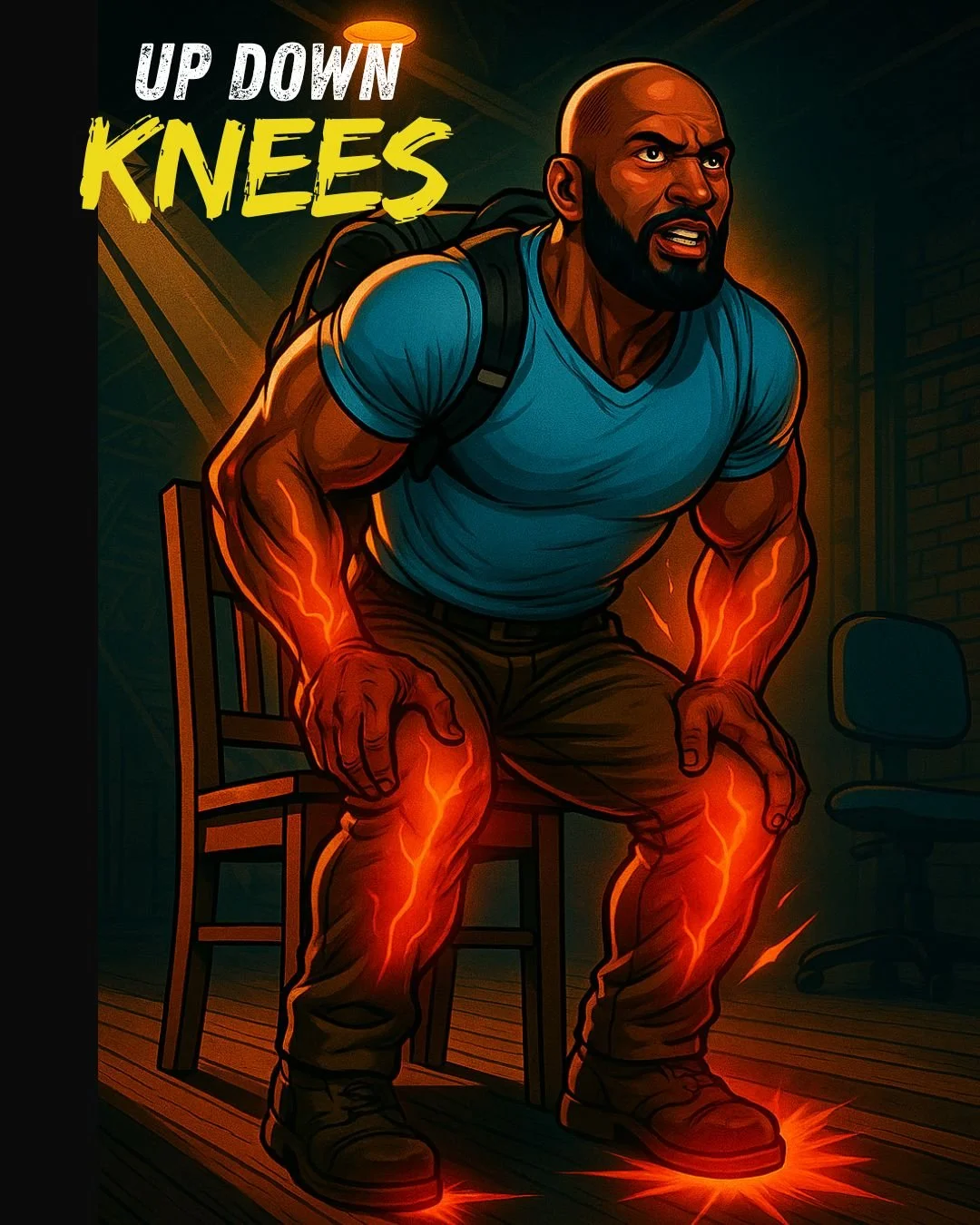
7. UP DOWN KNEES
Repetitive squatting or kneeling motions wear down knee joints and cause chronic pain.
Affects: Knees, Ankles, Hips
✅ Prevention
- Use knee pads for kneeling tasks
- Bring work up to waist height when possible
- Take breaks every 30 minutes
- Use proper squatting form: feet flat, knees over toes
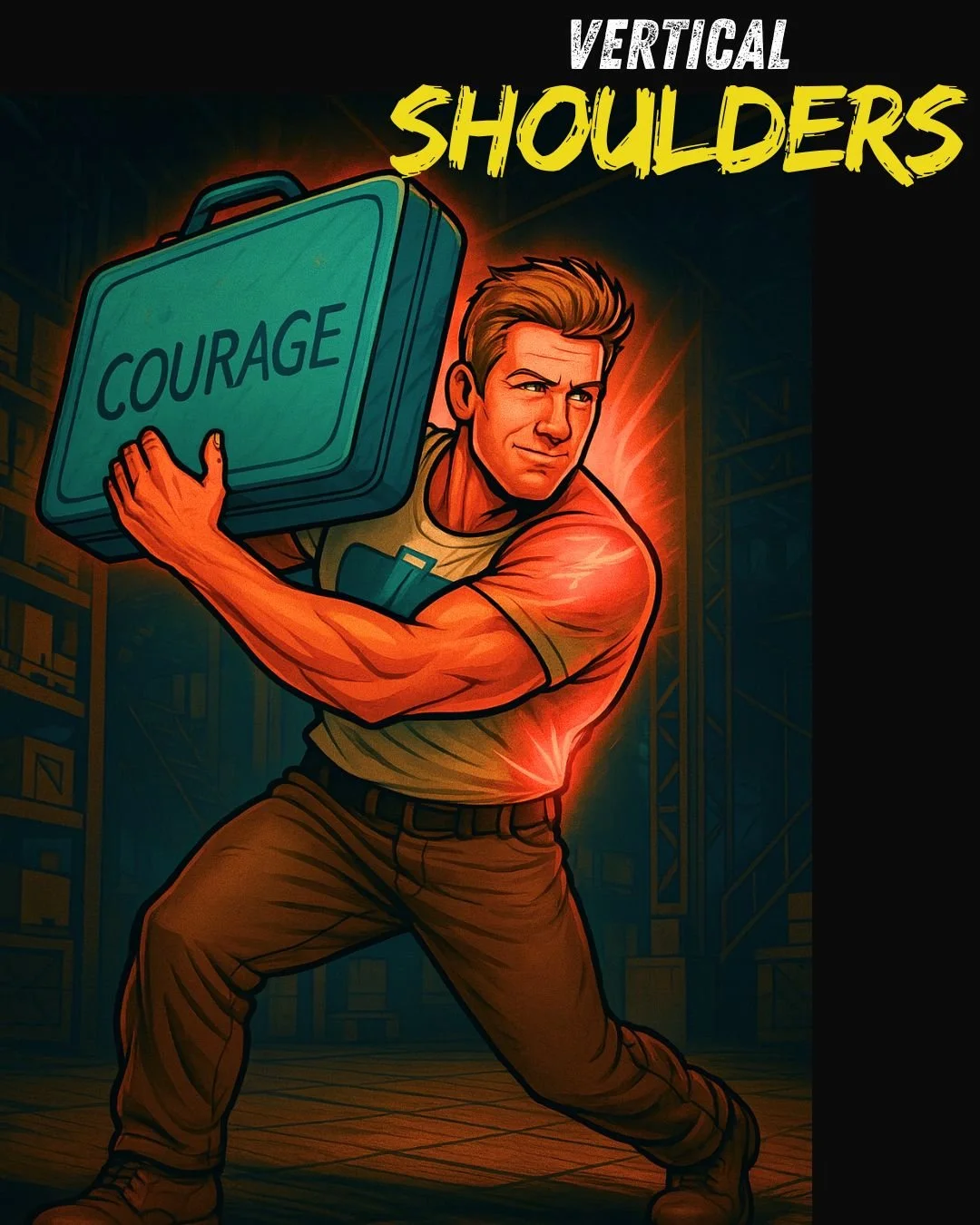
8. VERTICAL SHOULDERS
Carrying loads at shoulder height or above causes severe shoulder and rotator cuff damage.
Affects: Shoulders, Upper Back, Rotator Cuff
✅ Prevention
- Keep loads in "power zone": between waist and chest
- Use carts, dollies, or forklifts for heavy items
- Get help for awkward or heavy loads
- Never carry loads above shoulder height
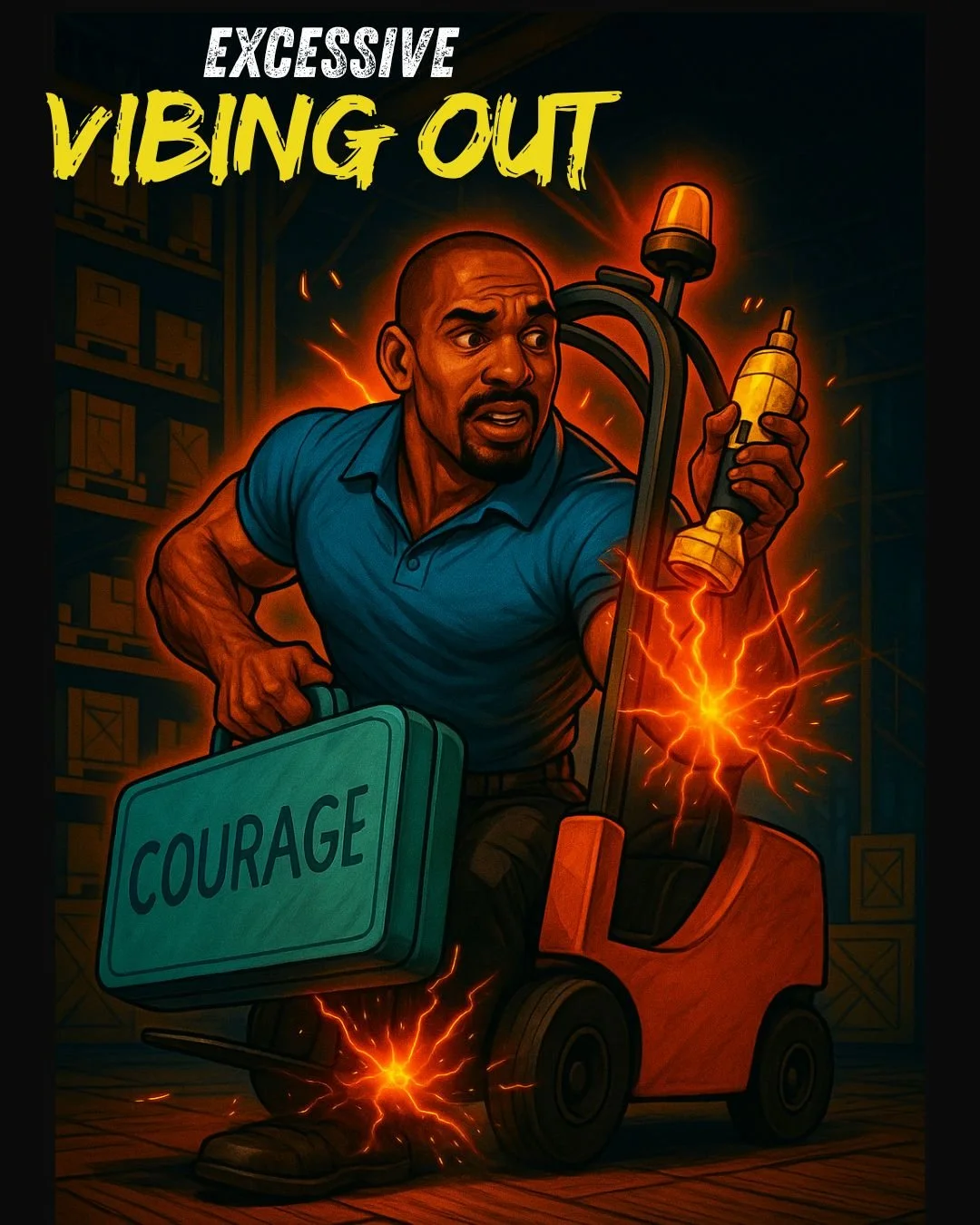
9. VIBING OUT
Prolonged exposure to vibration from tools and equipment causes cumulative trauma.
Affects: Hands, Wrists, Arms, Whole Body
✅ Prevention
- Use anti-vibration gloves
- Limit continuous exposure to 2-hour blocks
- Maintain equipment to reduce vibration
- Warm up hands before using vibrating tools
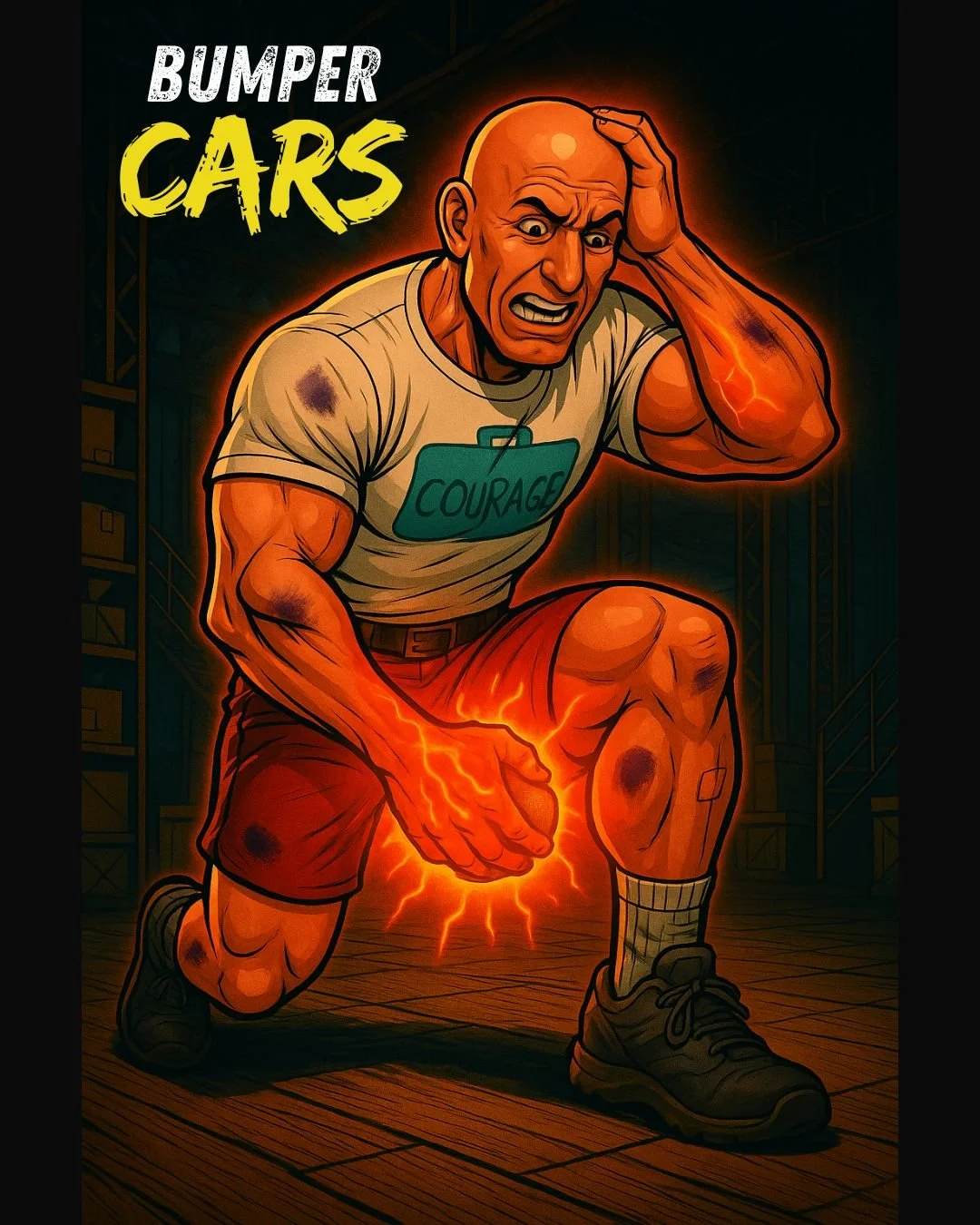
10. BUMPER CARS
Being struck by or striking against objects and equipment—seems minor but adds up fast.
Affects: Knees, Hips, Legs, Multiple Areas
✅ Prevention
- Maintain clear walkways and work areas
- Use warning markers and floor tape
- Stay aware of surroundings—no rushing
- Wear proper PPE including shin guards when needed


⚠️ WARNING SIGNS: When to Report Immediately
- Pain that persists after rest or gets worse
- Numbness, tingling, or "pins and needles" sensation
- Reduced range of motion in joints
- Swelling, inflammation, or visible changes
- Weakness in affected area that impacts work
Early intervention prevents serious injury. Report symptoms the same day they occur!
💰 The ROI: What's In It For You
For YOU Personally:
- Go home pain-free every single day
- Maintain ability to enjoy hobbies and family time
- Avoid lost wages from injury time off (average: 45 days)
- Prevent chronic pain that can last a lifetime
- Protect your earning potential and career longevity
For Hyster-Yale:
- 30% injury reduction = $5.5M+ annual savings
- Lower workers' comp premiums across all sites
- Higher productivity (injured workers produce 40% less)
- Better employee retention and morale
- Program ROI: 31:1 (every $1 invested saves $31)
🎯 Master These Safe Movement Principles
Once you can identify the 10 at-risk postures, apply these proven techniques:
The Power Zone Lifting Technique
- Plan: Assess the load—get help if over 50 lbs or awkward
- Position: Feet shoulder-width apart, close to load
- Bend: At knees and hips (avoid "The Gardener")
- Grip: Firm hold with both hands
- Lift: Use leg muscles, keep load 12-18 inches from body
- Turn: With feet, never twist spine (avoid "The Twister")
Task Rotation & Micro-Breaks
- Rotate tasks every 1-2 hours to use different muscle groups
- Take 30-second stretch breaks every 20 minutes
- Report early symptoms immediately—don't "tough it out"